
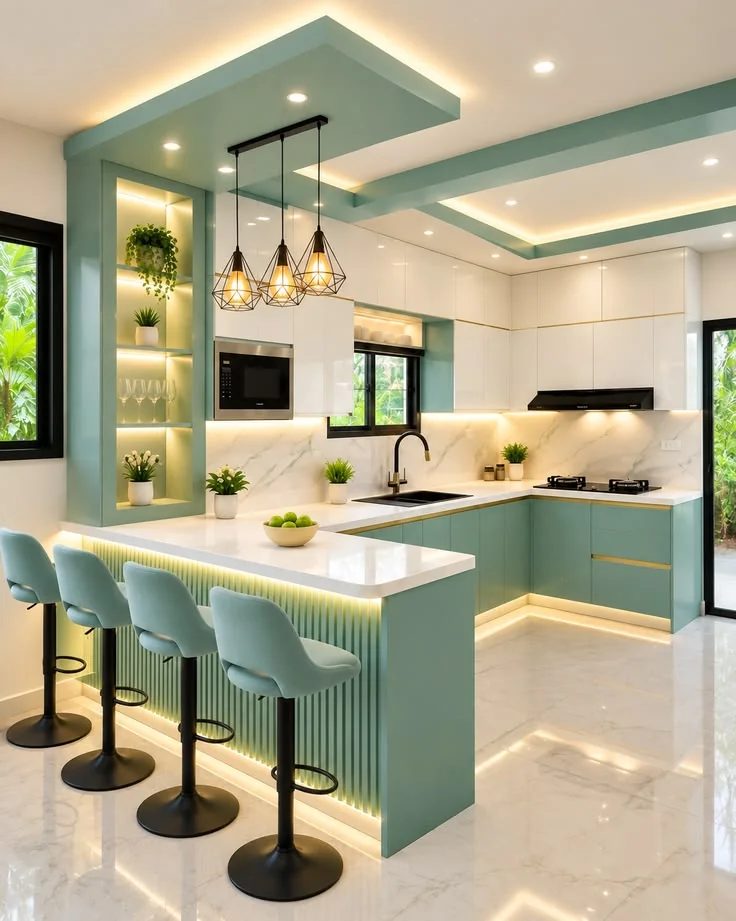
What should the work solve?
Identify worn coatings, grease buildup, peeling areas and damage before choosing a color. Different surfaces may need different preparation. Inspect near the cooking area and sink, where residue and moisture can complicate adhesion. Decide which repairs are part of the painting scope.
Keep sound boxes and fronts where the finish system is appropriate. Hinges, pulls and drawer hardware can be retained or replaced separately. If doors are damaged or the desired profile is different, compare replacement fronts rather than expecting paint to change their shape.
Three decisions to work through
Agree on a representative finish
Review a sample that reflects the actual cabinet surface and preparation, not only a painted color card. Look at grain, edges and sheen in ordinary kitchen light. Discuss what old texture will remain and which defects will be repaired. This gives the expected finish a concrete reference and helps distinguish a color change from a more extensive surface restoration.
Plan reassembly and handling
Labeled components simplify returning doors and drawers to the correct positions. Keep hardware organized and identify any changes in advance. Confirm when components can be handled, installed and cleaned under the selected coating guidance. A room may appear finished while the surface still needs careful use, so the handover should explain those stages clearly.
Compare complete preparation scopes
A painting estimate should explain cleaning, repair, surface preparation and the areas receiving coatings. It should also state the expected application result and protection arrangements. Two prices based on different preparation are not directly comparable. If a heavily damaged or incompatible surface requires substantial correction, compare that work with replacement fronts before deciding that painting is the simpler option.
Measurements, materials and options
Record the number and configuration of fronts, exposed ends, trim and interior surfaces included. Label doors and hardware to their original positions. Scope is not captured by a room’s floor area alone because preparation varies with the amount and condition of the cabinetry.
Review color samples in the kitchen’s daytime and evening light. Compare the sheen and surface feel as well as color. The selected coating must suit the substrate and preparation method; product instructions govern compatibility, application and cure rather than a universal paint recipe.
A grain pattern, previous damage or an existing surface texture can remain visible through a new finish unless additional preparation is specified. Discuss the expected result on a sample. State whether hinge areas, cabinet interiors and the underside of trim are included.
Preparation and installation
Cleaning and surface preparation are central to the work. Protect counters, appliances and adjacent rooms, and plan ventilation and access for the chosen application method. For pre-1978 housing, disturbing painted surfaces may bring EPA lead-safe renovation requirements into the project; assess that before sanding.
Remove and label components, clean the surfaces, complete agreed repairs and prepare them for the selected system. Apply compatible primer and coatings following product guidance, then allow the required drying and cure stages before reassembly and normal use.
Countertop or backsplash demolition can damage a newly completed cabinet finish. Arrange dusty and disruptive work before final coating where practical. Hardware holes should be resolved before finishing if pull dimensions change. Coordinate appliance reinstatement so coated fronts are not handled prematurely.
Walkthrough and long-term care
Review coverage, edges and consistency under ordinary room lighting. Check door alignment after reassembly and confirm that moving components do not rub. Agree how any touchups will be handled after the finish has reached the appropriate stage for inspection.
Follow the coating manufacturer’s care and cure instructions. Early cleaning or aggressive chemicals can affect a new finish. Keep the product identification and color record for later touchups, recognizing that a local repair may look different from a full refinishing of the component.
Painting is suited to an appearance change where the cabinetry remains useful. It does not add storage or improve box construction. Compare the preparation and repair involved with refacing when door style, substrate condition or a heavily worn coating is the main issue.
Budget for the complete scope.
National planning information, not a service quote.
The room-level ranges come from the supplied project brief and the website’s planning model. They are not a current market survey or a fixed offer. A focused service needs its own scope and quote; its price should not be inferred from the whole-room total.
Ask the project estimate to separate retained components, selected products, preparation and installation. Identify removal, disposal, connections and finish repairs where they apply. Confirm whether an amount is an allowance or a defined price and how substitutions will be approved. This gives you a basis for comparing the same scope rather than comparing unrelated headline figures.
The kitchen cost estimator explores an indoor room-level range. Available area factors use a regional wage comparison as a planning proxy; they do not measure every cost at your property. Final pricing follows an assessment of the home, agreed work and selected products. Ask how any concealed condition will be documented and priced before additional work is authorized.
Timeline: separate ordering from kitchen downtime.
Allow separate time for removal, cleaning, preparation, coating, drying and the selected finish’s cure requirements. Touch-dry and ready for normal kitchen use are different milestones. The product system determines the return-to-use guidance.
Request a schedule that identifies the decisions needed from you, product ordering, site readiness and the period when affected parts of the kitchen cannot be used. A delivery date is not the same as a completed installation. Show any dependent trades and required inspection points so the plan reflects the full sequence. If something changes, ask which later milestones are affected before assuming the original completion date still applies.
Questions for your project conversation
- Which parts of the existing kitchen are suitable to retain?
- What measurements, product specifications or further assessments are needed before ordering?
- What preparation, connections and finish repairs are included?
- Which selections or approvals could delay the start?
- How will additional work and changes to the schedule be agreed?
Bring room photos, approximate dimensions and the priorities that matter most. Include your city and state, property type and any known building restrictions. These details help frame the discussion; they do not replace field verification. Avoid ordering a replacement solely from a photograph or nominal size when the installed fit and utility requirements have not been checked.
Prepare a useful estimate brief.
Describe your desired result in practical terms and distinguish essential work from optional upgrades. For cabinet painting, use the scope and decision points above to identify what is changing and what stays. List products you have already selected and note whether their specifications have been checked. If you have a budget ceiling, state it before the proposed scope expands around additional features.
Ask for the included work and exclusions in writing. Clarify who handles product ordering, site preparation and the interfaces with other components. Keep the approved selections and any later revisions together. This helps everyone work from the same information and gives the final walkthrough a clear reference rather than relying on a general description of the room.
Kitchen Remodeling Renovations has 30+ years in business and 1,000+ successfully completed projects. Call (877) 907-2217 with your location and project priorities to discuss the next step. You can also prepare a project summary before calling. The website summary stays in your browser; it does not send an online request or reserve an appointment.